








Trump Signs New Orders to Limit Birthright Citizenship
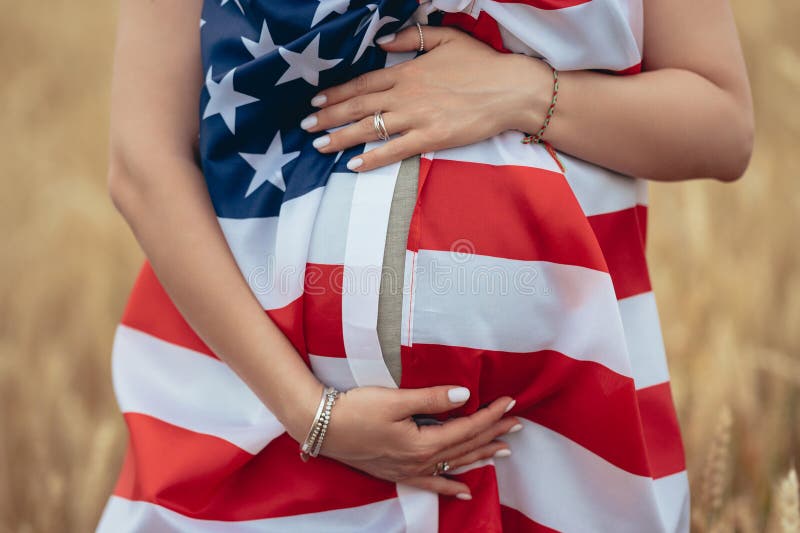
Born in the USA
President Trump signed two executive orders Thursday to restrict birthright citizenship, directly challenging a recent Supreme Court ruling that confirmed constitutional protection of this right. The measures, announced alongside immigration strategist Stephen Miller, target so-called «birth tourism» but legal experts warn the orders will face immediate court challenges.
President Donald Trump signed two new executive orders on Thursday aimed at restricting the right to birthright citizenship. The decision directly challenges a recent Supreme Court ruling that had confirmed constitutional protection of this guarantee.
During the ceremony, Trump was accompanied by Stephen Miller, the chief architect of his immigration program. Both announced that the measures target so-called «birth tourism» and seek to redefine which categories of children do not have automatic rights to American citizenship.
For the immigrant community, this new offensive generates alarm and confusion. However, legal experts warn that the presidential mandate will face immediate obstacles in the courts, as it contradicts the most recent jurisprudence of the nation’s highest court.
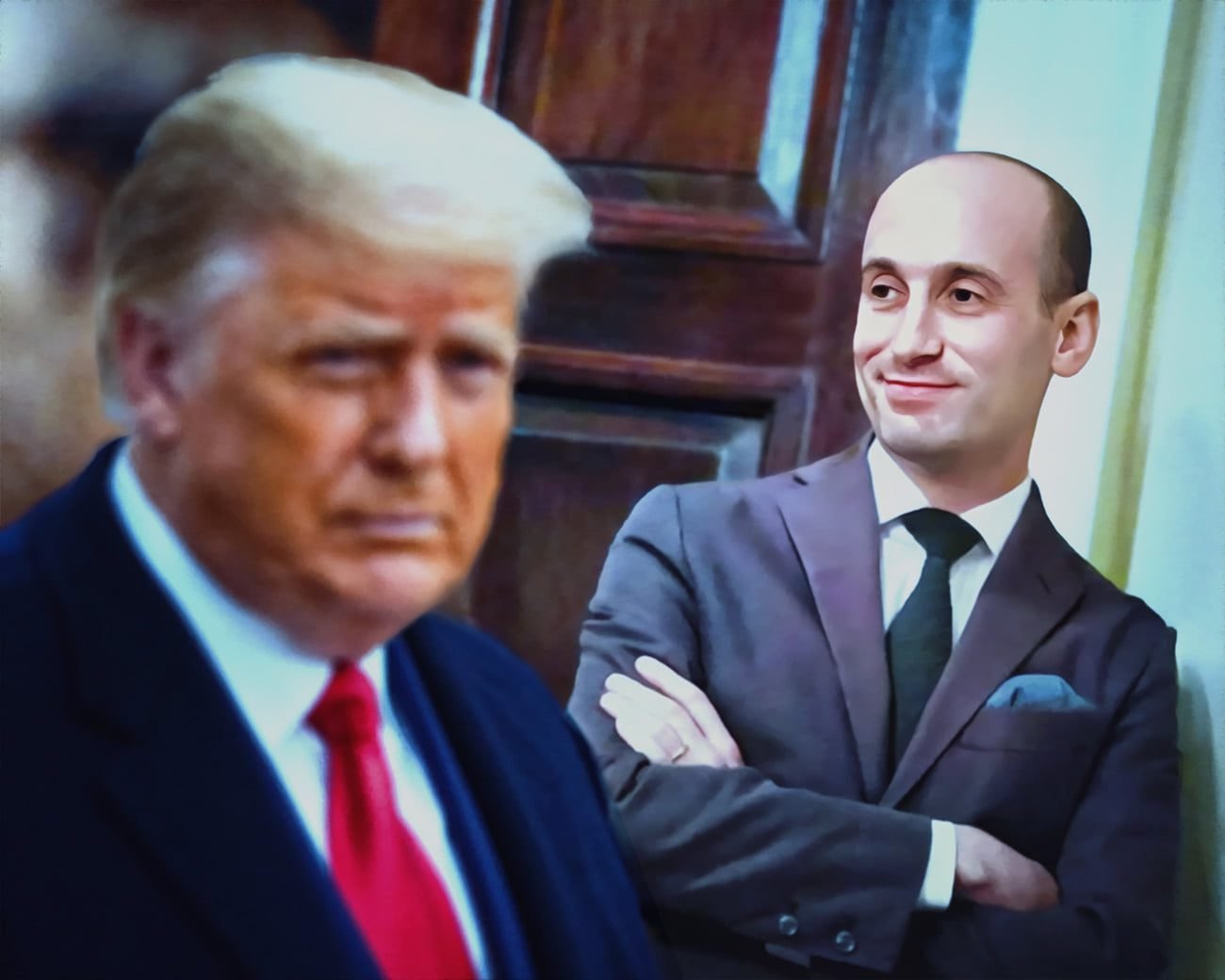
President Donald Trump, and the anti-inmigrant Czar Stephen Miller
What do the new measures consist of
The first order seeks to identify «certain categories of children of foreigners who do not have the right to birthright citizenship.» According to leaked information, the text will initially be used to deny nationality to children of foreign diplomatic personnel born in the United States.
Nevertheless, statements from the presidential team suggest greater ambitions. Stephen Miller stated that the president is using his authority «to expand the definitions of people who are not eligible.» This could open the door to future restrictions against undocumented families or those with temporary visas.
Trump defended the legality of his new directives and took the opportunity to criticize Supreme Court justices. He characterized as «unjust» and «unfortunate» the ruling that struck down his previous attempt to deny rights to children of undocumented migrants or beneficiaries of Temporary Protected Status (TPS).
During the event, the White House team argued that the Fourteenth Amendment, drafted after the Civil War to protect the children of slaves, never intended to protect foreigners. «It had no other meaning or purpose beyond that, and that has been made clear,» Miller assured.
What did the Supreme Court resolve weeks ago?
On June 30, 2026, the Supreme Court ruled 6–3 in the case of Trump v. Barbara. Chief Justice John Roberts wrote the opinion: the children of undocumented or temporary foreign nationals are “citizens by birth” under the principle of jus soli (is a rule that the citizenship of a child is determined by the place of the child's birth). The ruling struck down Executive Order 14160, which Trump signed on the first day of his second term in January 2025 and which argued that undocumented immigrants were not “subject to the jurisdiction” of the country. The Court stated that this argument was “entirely incorrect.”
The precedent upheld by the Court is 150 years old. This is neither new nor disputed in case law—it has been the prevailing interpretation of the Fourteenth Amendment since the post-Civil War era. What Trump signed this week directly contradicts that decision. Immigrant rights advocacy groups have already announced that they will file lawsuits immediately. Legal experts expect the courts to block these orders just as they did the previous ones.
The Chief Justice of the Supreme Court of the United States John Roberts stated in the June 30 ruling that the children of undocumented or temporary foreign nationals are “citizens by birth.” That includes millions of people who today live, work, and contribute to the United States. The Court has already said so—and President Trump ignored it.
What changes in practice — and what doesn't
For now, nothing has changed legally. Every child born today in the United States remains a citizen from birth. Hospitals and federal agencies will continue to issue birth certificates and passports under normal rules. The orders will face immediate lawsuits and are likely to be blocked by courts before taking effect, as was the case with previous ones.
But the impact of fear is already real. Civil organizations warn that the government's insistence on this issue discourages pregnant women from seeking medical attention, going to hospitals or officially registering their children for fear of deportation. The Brennan Center warned that any real restrictions on birthright citizenship would create a permanent underclass of people without constitutional rights, born and raised on American soil. Trump's strategy does not need to win in court to have an effect — prolonged litigation and fear do the job themselves.
The Brennan Center for Justice: Restricting citizenship would seriously affect the Latino community, "creating a permanent underclass of people without rights, despite being born and raised in the United States." That's the real cost — even if the courts stop the orders.